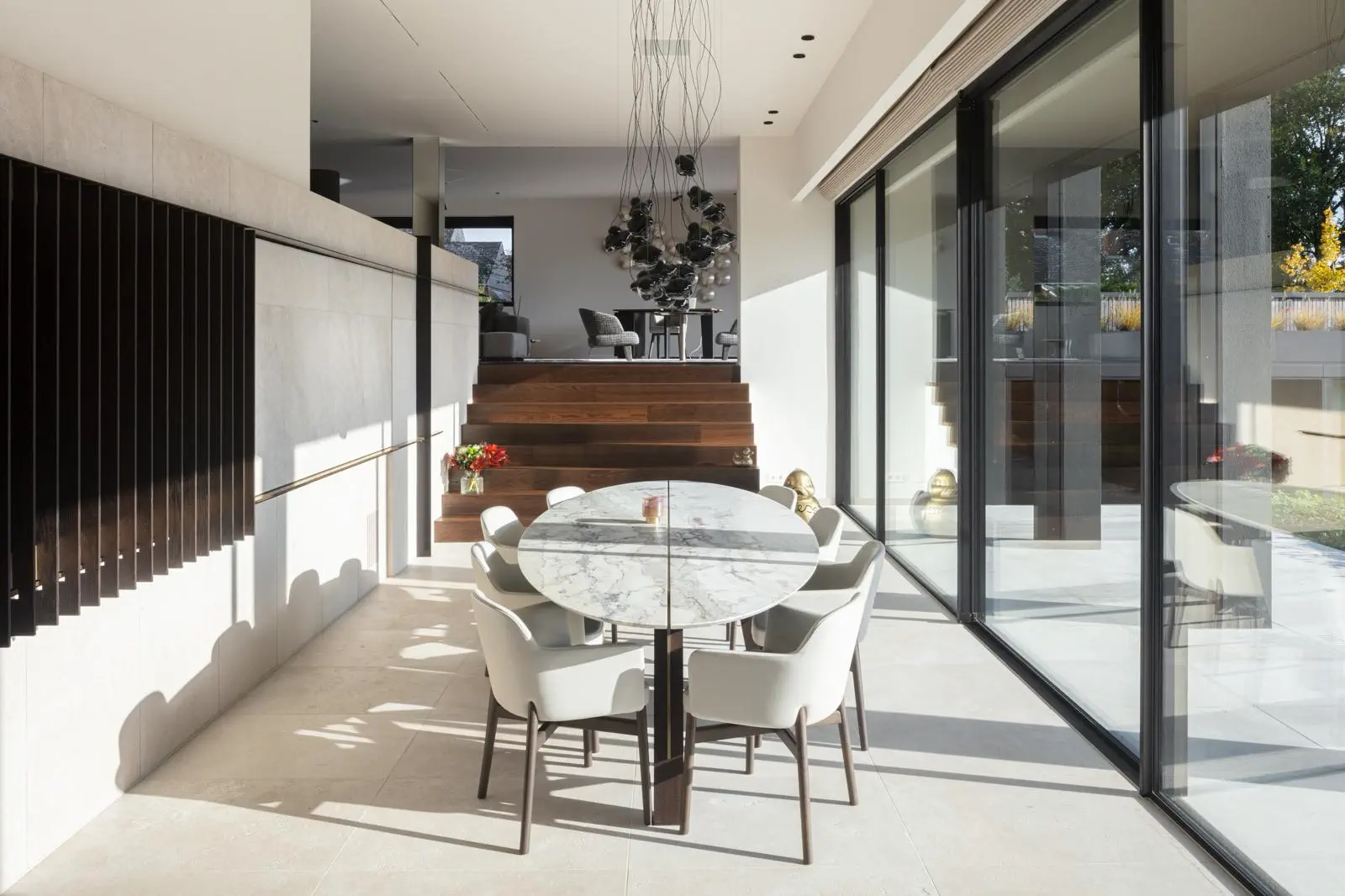
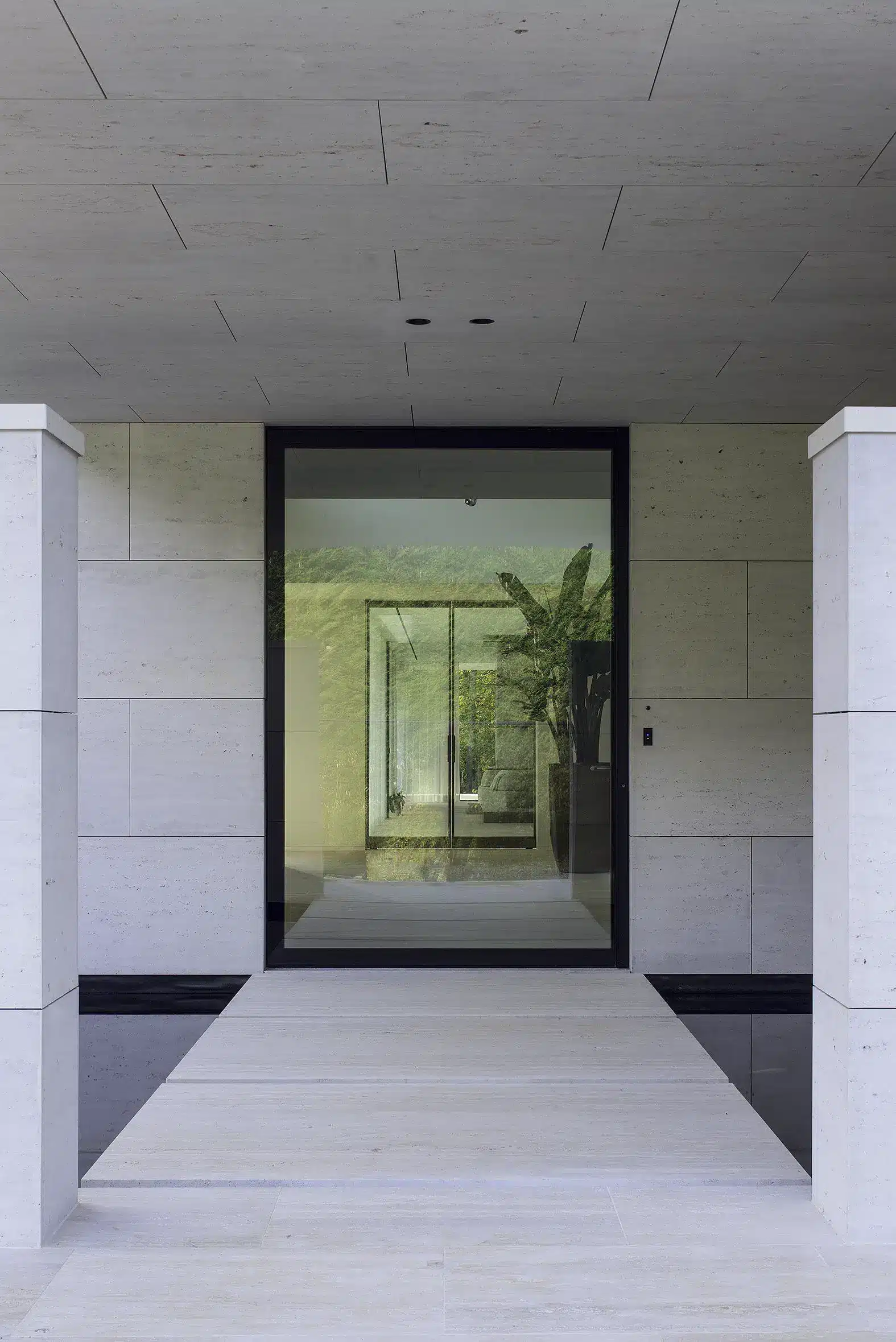
Less is more! The lower the U-value of your windows and doors, the better.
Whether you are building or renovating, your new windows and doors must always meet the energy requirements established in the EPB standards. For windows and doors, the U-value expresses how good—or less good—the insulation value is. The lower this value, the less heat is lost through your windows and the
Whether you are building or renovating, your new windows and doors must always meet the energy requirements established in the EPB standards. For windows and doors, the U-value expresses how good—or less good—the insulation value is. The lower this value, the less heat escapes through your windows and doors. In other words, the lower the U-value, the lower your energy bill will be!
How exactly is the U-value structured?
The U-value is determined by both your glazing and your frames. There are no fewer than five values that together express the energy performance of your windows and doors. We would like to list them for you:
The Ug value: the ‘g’ stands for glass; this figure expresses the insulation value of your glazing. This figure may not exceed 1.1.
The Up value: the ‘p’ stands for panel; this figure expresses the insulation value of any aluminium panels (SWP) in your doors.
The Uf value: the ‘f’ stands for frame; this figure expresses the insulation value of your window profiles (frames).
The Uw value: the ‘w’ stands for window; this figure expresses the insulation value of the entire window. This figure may not exceed 1.5 for a complete window and 2 for a complete door.
The Psi value: this is the insulation value of the spacers (warm-edge plastic spacers) between your glass panels. Group Ceyssens always works with super spacers that have a positive impact on the insulation value of your glazing.
The aluminium windows and doors from Group Ceyssens, as well as our architectural Minimalistic Windows, achieve an average Uw value of 1.5 W/m²K with double glazing. With triple glazing, we even reach up to 0.8 W/m²K, which is good for your energy bill and ideal for nearly zero-energy (NZEB) homes, for example. Please note that these are the EPB standards in force in Flanders. These standards may differ in Brussels and Wallonia.
Why do we work with aluminium profiles?
First and foremost, aluminium is a sustainable, recyclable material that does not rust and has a very long lifespan. Aluminium windows and doors require very little maintenance, which is a significant advantage. Furthermore, aluminium is a strong material, allowing for stylish, slim window profiles. This is also ideal for large window surfaces.
If you have any further questions about the U-value of your windows and doors, please do not hesitate to contacta Group Ceyssens specialist.
Keep discovering
Would you like to stay informed about our latest projects and innovations? Subscribe to our newsletter now to discover what is next.