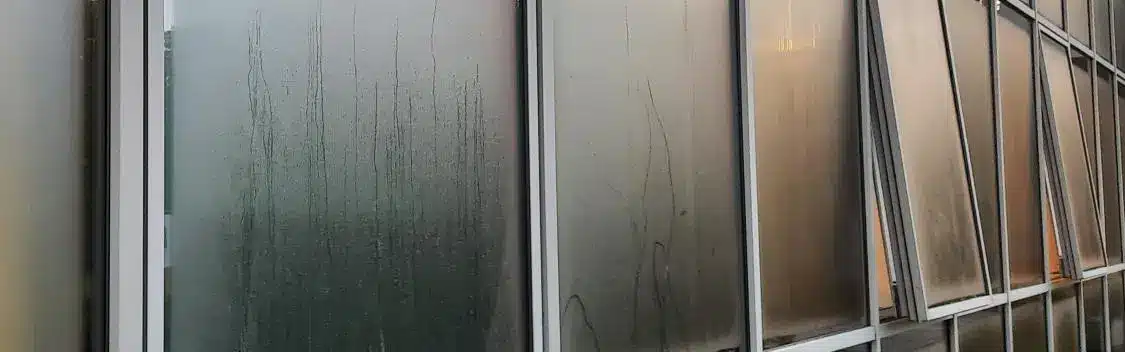
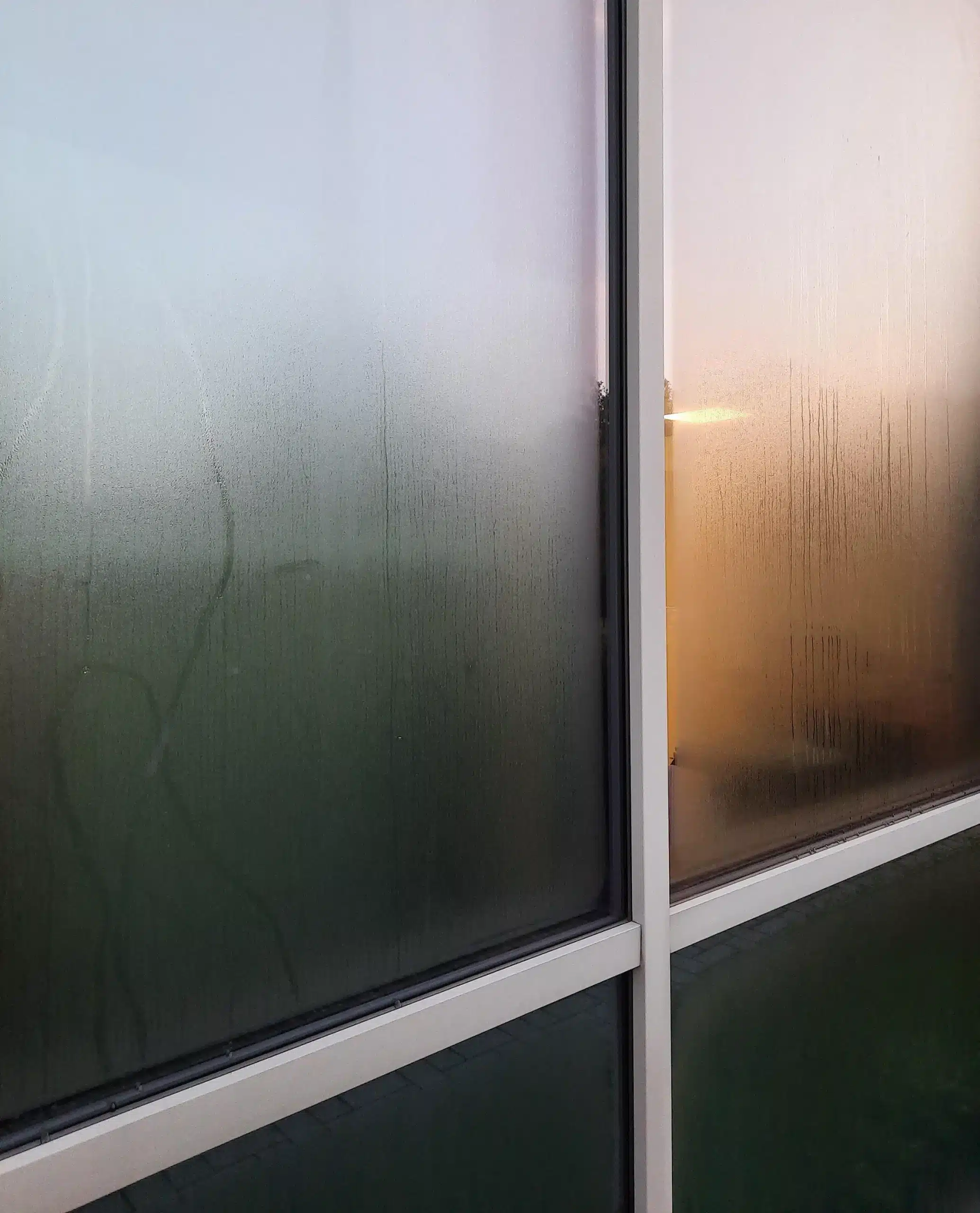
We are all familiar with the phenomenon of condensation. Think of fogged-up windows in the bathroom after a shower or dew drops on your exterior windows. Is this something to worry about, or does it actually indicate good insulation? The answer is nuanced, and we will explain it to you.
We are all familiar with the phenomenon of condensation. Think of fogged-up windows in the bathroom after a shower or dew drops on your exterior windows. Is this something to worry about, or does it actually indicate good insulation? The answer is nuanced, and we would like to explain it to you.
Condensation occurs when warm, moist air cannot escape and comes into contact with a cold surface such as glass. In your bathroom, for example, this can happen quite quickly. A five-minute shower can be enough for “steamy windows.” Fortunately, brief ventilation is usually sufficient to make the condensation disappear as quickly as it appeared. If the condensation persists, it is best to look for the cause to solve the problem fundamentally.
Three Types of Condensation
Condensation on the Inside of the Glass
Typical condensation on the inside of a window occurs when excess moisture does not evaporate quickly enough due to a lack of fresh air currents. The warm, moist air then settles as condensation on cold surfaces such as windows and mirrors. This is a common phenomenon in bedrooms, kitchens, and bathrooms, among others, and is detrimental to health and the air quality of the indoor climate.
Condensation on the Outside of the Glass
Fogging on the outside of your glazing is usually due to a low outside temperature combined with high humidity, a typical phenomenon on a cold night with a clear sky. Because your windows are generally well-insulated, the temperature of the outer glass pane of your double or triple glazing drops below the dew point quite quickly, resulting in condensation. As soon as the morning temperature rises, humidity decreases, and the wind performs its ventilating work, the condensation disappears very quickly. In this case, condensation indicates good thermal insulation rather than a problem.
Condensation between the glass panels
Condensation between the glass panels of your double or triple glazing always indicates a serious problem and is either the result of a manufacturing defect or structurally poor ventilation of the window profile. In both cases, it is best to contact your installer.
What Are the Harmful Effects of Condensation?
If condensation on the inside of your glass surfaces persists, it can have harmful long-term consequences for your health and your home. These include:
Mold growth, the well-known toxic black mold found in many damp areas.
Damage to wooden elements such as stairs and doors.
Damage to interior walls, paintwork, wallpaper, and plasterwork.
Pests: silverfish and dust mites love warm, damp places.
An unpleasant, musty odor.
How Do You Prevent Condensation?
Prevention is better than cure, and this also applies to condensation. We would like to provide you with some tips to prevent and/or resolve condensation.
Condensation on the inside of the glass usually indicates an excess of warm, moist air in your home. This can generally be solved quite easily by:
Installing an automatic decentralized ventilation system. Ensure that the system and, in particular, the filters are maintained regularly.
Opening your windows slightly during or after showering or cooking for extra ventilation.
Placing the laundry drying rack outside when the weather permits.
Heating your home sufficiently.
If you also want to prevent condensation on the outside of your home, it is advisable to clean the outside of the pane with a water-repellent glass polish. This makes the panes smoother and reduces the chance of water droplets forming. If the location of your house allows it, an alternative solution is to make the area around your glass surfaces as open as possible to allow the wind free play.
If you are experiencing condensation between the panes of your double or triple glazing, it is best to contact your installer. Replacing the glass is the only solution! By using an automated production process for our double and triple glazing and maintaining strict quality control, the likelihood of this type of condensation occurring at Group Ceyssens is quite small. Should the problem occur nonetheless, please do not hesitate to contact us. We will visit the site to inspect it and discuss how we can solve the problem together.
Keep discovering
Would you like to stay informed about our latest projects and innovations? Subscribe to our newsletter now to discover what is next.